
Packing your house for a move can quickly become stressful, especially when it comes to handling fragile items. From glassware to electronics, even a small mistake can lead to costly damage.
Many people underestimate how much care fragile items need. It is not just about wrapping them and placing them in a box. Proper technique, materials, and organization all play a major role in keeping your belongings safe.
This guide will walk you through practical steps to protect fragile items and make your move smoother and more secure.
Why Fragile Items Need Special Attention
Fragile items are more vulnerable during transport because they can crack, chip, or break under pressure. Movement inside the truck, sudden stops, and improper stacking can all increase the risk.
That is why safe packing for fragile items should always be a priority. Taking extra time to pack them correctly will help prevent unnecessary damage and reduce stress on moving day.
Choosing the Right Packing Materials
Before you start packing, make sure you have the right materials. Using proper supplies is one of the most important parts of packing your house for a move.
You should use sturdy boxes that can support weight without collapsing. Bubble wrap is essential for cushioning delicate items, while packing paper helps fill empty spaces. Strong tape is also necessary to secure everything properly.
Avoid using low-quality boxes or worn-out materials. They may not provide enough protection, especially for heavier, fragile items.
How to Wrap Fragile Items Properly
Wrapping is where most people make mistakes. Simply covering an item is not enough. You need to protect it from impact and movement.
Start by wrapping each item individually. Glassware and ceramics should be fully covered with multiple layers of protective material. Make sure there are no exposed edges.
For extra protection, place a soft layer at the bottom of the box before adding items. This acts as a cushion and reduces the risk of breakage.
Proper wrapping is a key part of how to pack fragile items safely, and skipping this step can lead to damage even if the box looks secure from the outside.
Use the Right Boxing Technique
How you place items inside the box matters just as much as how you wrap them. Poor arrangement can cause items to shift and collide during transport.
Heavier items should always go at the bottom, with lighter ones placed on top. Each layer should be separated with padding to prevent direct contact.
Avoid overfilling boxes. When a box is too heavy, it becomes harder to carry and more likely to break. At the same time, do not leave too much space, as this can cause items to move around.
A well-packed box should feel stable and balanced when lifted.
Labeling Makes a Big Difference
Labeling is often overlooked, but it plays a crucial role in protecting fragile items. Without clear labels, movers may not know which boxes need extra care.
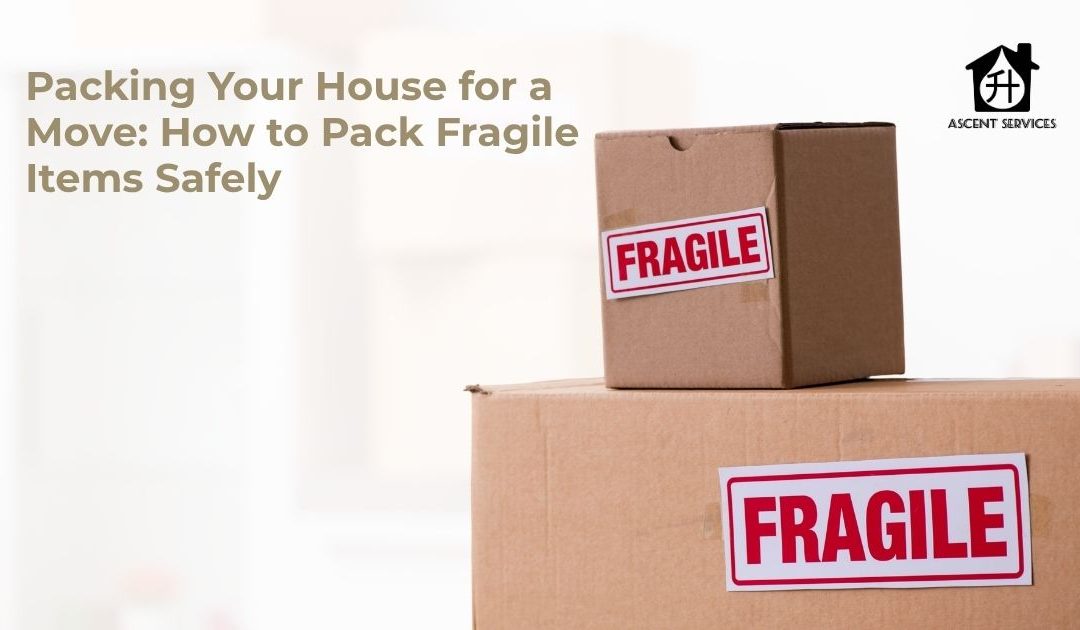
Write “Fragile” clearly on multiple sides of the box. You can also indicate the correct orientation, such as “This Side Up,” to prevent improper handling.
This simple step helps ensure that your items are treated carefully throughout the moving process.
Packing Specific Fragile Items
Different fragile items require slightly different approaches. Understanding these differences can improve your overall safe packing for fragile items strategy.
Glassware and Dishes
Wrap each piece individually and stack them vertically instead of flat. This reduces pressure and minimizes the risk of cracking.
Electronics
Use original packaging if available. If not, wrap items with anti-static materials and add extra padding around them.
Mirrors and Frames
Use corner protectors and wrap the entire surface with protective layers. Keep them upright during transport to avoid pressure damage.
Taking the time to pack each item based on its type will significantly reduce the chances of breakage.
Common Mistakes to Avoid
Even with good intentions, many people make simple mistakes that lead to damage. One common mistake is rushing the packing process. When you hurry, you are more likely to skip protective steps. Another mistake is using the wrong box size, which can cause items to shift or become compressed.
Some people also underestimate the importance of padding. Without enough cushioning, even well-wrapped items can break during transit. Avoiding these mistakes will make your packing process much more effective.
Why Professional Help Can Make a Difference
If you are unsure about handling fragile items, hiring professionals can be a smart choice. Experienced movers understand the best techniques for packing your house for a move and know how to protect delicate belongings.
They also have access to better materials and equipment, which can further reduce the risk of damage.
In fast-paced environments like Singapore, where moves often need to be completed quickly, professional support can save both time and effort while ensuring everything stays safe.
Final Tips for a Safe Move
Preparation is just as important as packing itself. Make sure you plan and give yourself enough time to pack properly. Keep fragile items separate from heavier objects whenever possible. Double-check your boxes before sealing them to ensure everything is secure.
Most importantly, handle each box with care, even if it is well-packed. Good handling combined with proper packing is the best way to prevent damage. More broadly, having the right strategies and mindset can make the entire moving process less stressful, as highlighted in this guide by The New York Times.
Looking for Help Packing Your House for a Move?
If you want a smoother and safer moving experience, working with professionals can make all the difference.
Ascent Movers specializes in local moves within Singapore, with strong experience handling delicate and fragile items in HDBs, condos, and offices. Their team understands how to navigate tight spaces and ensure your belongings are packed and transported with care.
With a focus on efficiency and reliability, Ascent Movers helps make packing and moving less stressful, especially when dealing with items that require extra attention.