
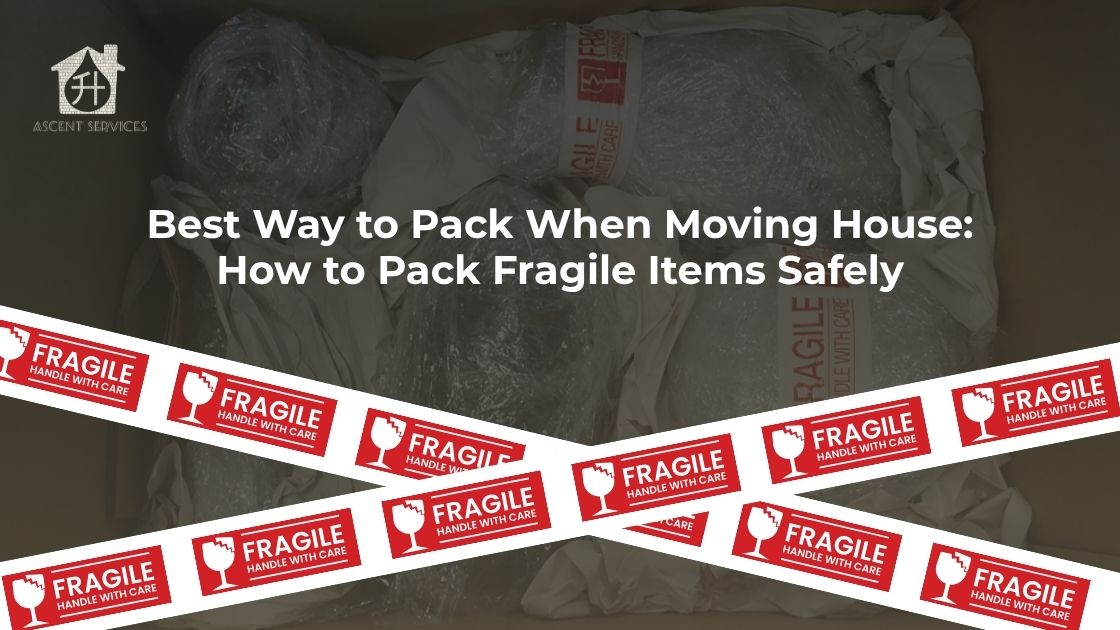
Finding the best way to pack when moving house becomes even more important when you need to handle fragile items. These items are often the most valuable or sentimental, yet they are also the easiest to damage during a move.
Many people assume that simply wrapping items quickly will keep them safe. In reality, fragile items require careful planning, the right packing products, and proper techniques. Without these, even a short move can result in cracks, chips, or complete breakage.
Whether you are moving within Singapore or preparing for a local relocation, knowing how to protect delicate items will help you avoid unnecessary stress and unexpected costs.
This guide will walk you through the safest and most effective ways to pack fragile items using recommended packing materials and proven techniques.
Why Fragile Items Require Extra Attention
Fragile items behave differently from regular household items. They are more sensitive to pressure, movement, and impact. During a move, boxes are stacked, lifted, and transported, often through tight spaces or uneven surfaces. Even small vibrations during transport can cause items inside a box to shift and collide. This is one of the main reasons why improper packing leads to damage.
Understanding the risks involved is the first step in applying the best way to pack when moving house. When you treat fragile items with extra care, you significantly reduce the chances of damage.
Choosing the Right Packing Products
Using proper packing materials is one of the most important factors in protecting fragile items. The quality of your materials directly affects how well your items can withstand movement during transport. Bubble wrap is one of the most commonly recommended products for fragile items. It provides cushioning and absorbs impact effectively. Packing paper is also essential, especially for wrapping items and filling empty spaces inside boxes.
High-quality cardboard boxes are equally important. Weak or worn-out boxes can collapse under pressure, especially when stacked. Double-walled boxes are often a better choice for heavier or more delicate items. Strong packing tape should not be overlooked. Boxes need to be sealed properly to maintain their structure throughout the move. Using the right materials is a core part of safe packing for fragile items, and it makes a significant difference in protecting your belongings.
How to Wrap Fragile Items Step by Step
Wrapping fragile items properly is not just about covering them. It is about creating layers of protection that reduce the risk of impact. Start by wrapping each item individually. This prevents direct contact between items, which is one of the main causes of breakage. Make sure all surfaces are covered, especially corners and edges. These areas are more likely to be damaged during movement. Adding multiple layers of protection increases durability and reduces the chance of cracks.
For added safety, place a cushioning layer at the bottom of the box before placing any items inside. This creates a protective base that absorbs shock during transport. Mastering this step is essential if you want to understand how to pack fragile items safely fully.
The Importance of Proper Box Arrangement
Even if items are wrapped correctly, poor arrangement inside the box can still lead to damage. Packing is not only about protection but also about stability. Heavier items should always be placed at the bottom, while lighter items should go on top. Each layer should be separated with padding to prevent items from touching each other. Balance is also important. An unevenly packed box can shift during transport, increasing the risk of damage.
Avoid overpacking, as this can put pressure on the contents and weaken the box. At the same time, do not leave too much space, as this allows items to move around. Applying these techniques is part of the best way to pack when moving house, especially when dealing with fragile belongings.
Why Filling Empty Spaces Is Critical
One of the most overlooked steps in packing is filling empty spaces inside boxes. Even well-wrapped items can still break if they are able to move freely during transport. Many people focus only on wrapping, but forget that movement inside the box is one of the main causes of damage. Empty spaces allow items to shift, tilt, and collide with each other or the sides of the box. This movement becomes more significant when the vehicle is in motion, especially during turns, sudden stops, or when boxes are stacked. Over time, even small repeated impacts can lead to cracks or breakage.
To prevent this, use packing paper, foam, or soft materials to fill every gap inside the box. Make sure the items are tightly secured so they cannot move from their position. You can also add an extra layer of cushioning between items for additional protection. A properly packed box should feel compact and stable, with no noticeable movement when gently shaken. This indicates that the contents are well-supported and protected from impact.
This simple step plays a major role in safe packing for fragile items and should never be skipped, especially if you want to reduce the risk of damage and ensure a smoother moving experience.
Labeling for Better Handling
Labeling is a simple but powerful way to protect your fragile items. Movers rely on labels to understand how boxes should be handled. Without clear labeling, fragile boxes may be stacked incorrectly or handled roughly. Writing “Fragile” on multiple sides of the box helps prevent this. You can also indicate the correct orientation to ensure that items are not placed upside down. Proper labeling improves communication and reduces the risk of mishandling during the move.
Packing Different Types of Fragile Items
Not all fragile items should be packed the same way. Different materials require slightly different approaches to ensure maximum protection. Glassware and dishes should be wrapped individually and placed upright. This reduces pressure and prevents cracking. Electronics require extra cushioning, especially around sensitive parts. Using original packaging is ideal, but if not available, use multiple layers of protective material. Mirrors and frames should be wrapped carefully and kept upright during transport to avoid pressure damage. Adjusting your packing method based on the item type will improve your results and help you follow the best way to pack when moving house more effectively.
Common Mistakes That Lead to Damage
Many packing mistakes happen because people rush the process or underestimate the importance of proper techniques. One common mistake is using low-quality materials. Weak boxes and thin wrapping do not provide enough protection.
Another mistake is skipping padding between items, which allows them to collide during movement. Overloading boxes is also a frequent issue. Heavy boxes are harder to carry and more likely to break. Avoiding these mistakes is essential if you want to protect your fragile belongings successfully.
Why Professional Packing Services Can Help
Packing fragile items can be time-consuming and stressful, especially if you are unsure about the correct techniques. Professional movers have the experience and tools needed to handle delicate items efficiently. They know how to use the right materials and apply proper packing methods.
In Singapore, where moving schedules are often tight, professional help can make the process faster and more manageable. Choosing experienced movers ensures that your fragile items are handled with care from start to finish.
Final Tips for a Safe and Stress-Free Move
Preparation is key when packing fragile items. Start early so you have enough time to pack carefully without rushing. Keep fragile items separate from heavier belongings and double-check your boxes before sealing them. Make sure everything is properly cushioned and secure. Handle all boxes with care, even if they are well-packed. Proper handling combined with good packing techniques is the best way to prevent damage. By following these steps, you can confidently manage your move while protecting your most delicate belongings.
Looking for the Best Way to Pack When Moving House?
If you want a smoother and safer moving experience, working with professionals can make a big difference. Ascent Movers specializes in local relocations within Singapore, with strong expertise in handling fragile items in HDBs, condos, and offices. Their team understands how to use the right packing materials and techniques to keep your belongings protected.
With a focus on efficiency, coordination, and careful handling, Ascent Movers helps make your move less stressful while ensuring your fragile items arrive safely.